
Navigating Storm Damage in Southeastern PA: What Insurance Covers (and What It Doesn’t)
September 11, 2026
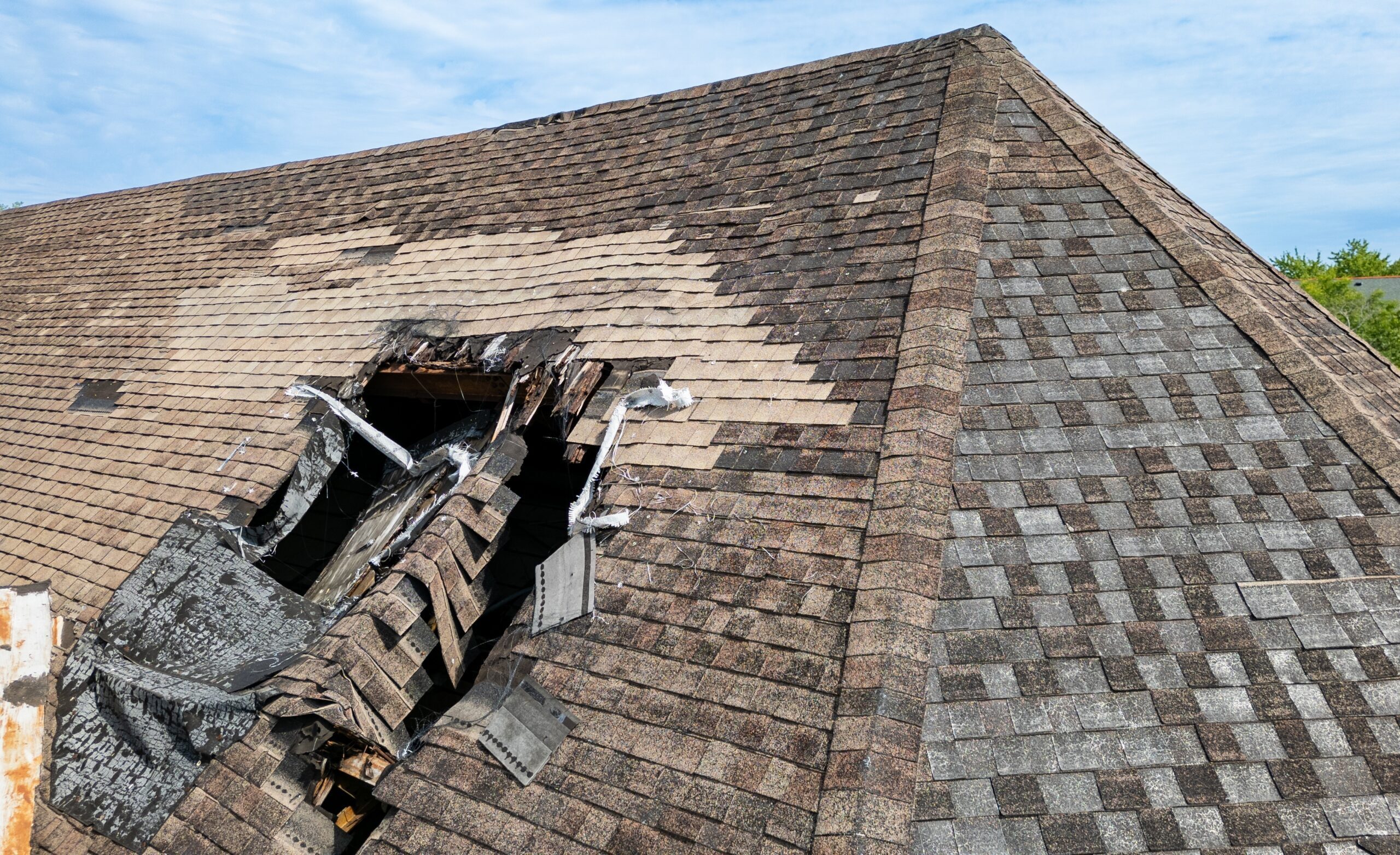
After a summer squall line rolls through, the first two calls most homeowners in the counties make are to a roofer and to an adjuster. Understanding where Storm Protection ends and where Insurance begins saves considerable frustration, because a standard policy pays for sudden damage while quietly excluding almost everything that looks like slow decline. This guide explains what a typical Pennsylvania homeowners policy covers after wind, hail, or a tropical remnant, what it will not touch, how to document a claim properly and how Kontz Construction can service your damages.
The Storms That Actually Hit Southeastern Pennsylvania
Our region does not see Gulf Coast hurricanes, but it absorbs a steady mix of damaging events that adjusters see every season. Straight-line winds of 55 to 70 mph, quarter-sized hail, ice loading in January, and the soaking remnants of tropical systems all leave different fingerprints on a house.
- Severe thunderstorm wind: the most common cause of roof and siding claims between May and August, often lifting shingle tabs without removing them entirely.
- Hail: less frequent than in the Midwest, but a single 20 minute event can bruise an asphalt roof enough to shorten its life by a decade.
- Tropical remnants: the flooding from Ida in September 2021 remains the benchmark for how quickly Southeastern Pennsylvania creeks overwhelm gutters, window wells, and finished basements.
- Winter ice and snow load: ice dams that back water under shingles, plus the weight that stresses older framing and tears gutters loose.
What a Standard Homeowners Policy Typically Covers
Most HO-3 policies written in Pennsylvania cover sudden and accidental damage from wind, hail, lightning, and the weight of ice or snow. That generally includes the roof covering, siding, gutters, windows, and any interior damage caused when the building envelope is breached.
- Roof damage from wind or hail, including creased shingles, punctured underlayment, and torn flashing.
- Siding and trim damage, such as cracked vinyl panels or wind-lifted sections.
- Interior water damage that follows the opening in the roof, walls, or windows.
- Fallen tree removal, usually capped between $500 and $1,000 when the tree strikes a covered structure.
- Additional living expenses if the home becomes uninhabitable during repairs.
Detached structures, fences, and sheds usually fall under a separate coverage limit set at roughly 10 percent of the dwelling amount. Read that section before assuming a damaged garage is treated the same as the house.
What Insurance Almost Never Covers
The exclusions are where most homeowners get an unpleasant surprise, and nearly all of them trace back to the same idea: carriers pay for accidents, not for deferred maintenance.
- Flooding and surface water, including creek overflow and groundwater entering a basement. That requires a separate policy through the National Flood Insurance Program or a private flood carrier, and new policies carry a 30 day waiting period.
- Wear, age, and deterioration, such as a 24 year old roof that finally begins leaking after a rainstorm.
- Neglected maintenance, including clogged gutters that caused water to back up under the fascia.
- Cosmetic hail damage, excluded outright by a growing number of carriers through cosmetic damage endorsements on metal roofs and siding.
- Mold growth beyond a small sublimit, typically $5,000 to $10,000, and often only when it results from a covered loss.
Gutters sit at the center of many denied claims, since standing water and ice damming are treated as maintenance failures rather than storm events, thankfully, gutter repairs in Ivyland and the surrounding areas got you covered.
Replacement Cost Versus Actual Cash Value
Two policies can both say the roof is covered and still pay amounts that differ by $15,000. The variable is settlement type, and it matters more than the coverage limit on the declarations page.
Replacement cost value pays what it costs to install a new roof of like kind and quality today, less your deductible. Actual cash value subtracts depreciation first, so a 17 year old architectural roof might settle at 40 percent of the replacement figure.
Many carriers now schedule roofs over 15 or 20 years to actual cash value automatically at renewal. Checking that endorsement before storm season is one of the least expensive protective steps a homeowner can take.
Deductibles Are Not Always a Flat Number
Standard deductibles in our area run from $1,000 to $2,500, but wind and hail deductibles are increasingly written as a percentage of the dwelling limit. A 2 percent wind deductible on a home insured for $525,000 means the first $10,500 of repair cost comes out of pocket.
The Insurance Information Institute tracks how widely these percentage deductibles have spread across states with severe convective storm exposure. Reading the deductible section aloud, once, before a storm arrives beats discovering the math afterward.
How to Document a Storm Damage Claim
Adjusters respond to evidence and timelines. The homeowners who settle claims cleanly tend to follow a consistent sequence rather than waiting for someone else to lead.
- Photograph everything within 24 to 48 hours, including wide shots that establish the property and close shots of specific damage.
- Make reasonable temporary repairs, such as tarping an opening, and keep every receipt. Policies require homeowners to prevent further damage.
- Report the loss promptly, since most Pennsylvania policies contain a suit limitation clause requiring legal action within one to two years of the date of loss.
- Get an independent contractor inspection before the adjuster arrives, so someone with roofing experience is on the roof representing your interests.
- Request the full scope sheet, not just the settlement summary, and compare line items against the contractor estimate.
Choosing the right contractor matters here. Out-of-state crews follow hail tracks and vanish before the workmanship warranty is ever tested, which is why our guidance on what to look for in a professional roofer emphasizes local licensing, insurance certificates, and manufacturer credentials.
Storm Protection Upgrades That Reduce Claims
The most reliable way to manage storm risk is to reduce the number of claims you need to file. Carriers reward that behavior, and several upgrades qualify for premium credits in Pennsylvania.
- Class 4 impact-rated shingles, which pass the UL 2218 steel ball test and often earn a 5 to 20 percent premium discount depending on the carrier.
- Sealed roof decks and upgraded underlayment, which keep water out even when shingles are stripped away.
- Six inch smooth gutters with proper downspout capacity, sized for the roof area draining into them.
- Impact-resistant or laminated glass windows on exposures facing prevailing westerly winds.
Frequently Asked Questions
How long do I have to file a storm damage claim in Pennsylvania?
Most Pennsylvania policies require prompt notice and set a suit limitation of one to two years from the date of loss. Practically speaking, filing within 30 to 60 days keeps the weather record fresh and avoids arguments about whether newer storms caused the damage.
Will my insurance pay for a full roof replacement or just repairs?
Carriers typically approve full replacement when damage exceeds roughly 25 to 30 percent of a roof slope or when matching shingles are no longer manufactured. Isolated damage on a newer roof is usually settled as a repair, sometimes for $800 to $2,500.
Does homeowners insurance cover a flooded basement after a heavy storm?
No, groundwater and surface flooding are excluded from standard homeowners policies and require separate flood coverage. Water entering through a storm-damaged roof or wall is a different situation and is generally covered.
Will filing a claim raise my premium?
A single weather-related claim often has a smaller effect than a liability claim, though many Pennsylvania carriers raise premiums 5 to 15 percent after any paid loss. Damage costing less than your deductible plus a few thousand dollars is frequently worth paying out of pocket.
Can a contractor waive my deductible?
No, waiving or absorbing a deductible is insurance fraud and is prohibited in Pennsylvania. Any company offering that arrangement is signaling how it handles the rest of its paperwork.
Assess your Storm Damage
Kontz Construction has spent more than 25 years inspecting roofs, siding, gutters, and windows across, and our team documents damage in the format adjusters expect. Contact Kontz Construction to schedule an inspection and get a written scope before you file.