
Roof Installation and The Standard Roof Replacement Timeline
May 28, 2026
Replacing an old, failing, or storm-damaged roof protects your most valuable financial asset from harsh outside weather elements that can cause severe, long-term structural degradation. Given the scale of such an undertaking, many homeowners naturally wonder how long a typical roof replacement will take. Under ideal conditions, a typical residential roof replacement project is completed within one to three days, provided you hire a qualified, fully staffed roofing contractor to manage the logistics.
Understanding the expected roof replacement timeline helps you plan your daily schedule around the loud construction noise, heavy material deliveries, and specialized equipment that contractors bring to the site. While a professional roofing crew works efficiently, several unexpected structural and environmental variables can extend the overall project duration.
The Standard Roof Replacement Timeline: A Day-by-Day Overview
A standard roof installation generally follows a highly predictable schedule for most typical single-family homes across the country. An average roof replacement takes just one or two days for a standard asphalt shingle installation when the crew is experienced and the weather is clear.
Day 1: Site Prep, Property Protection, and Tear-Off
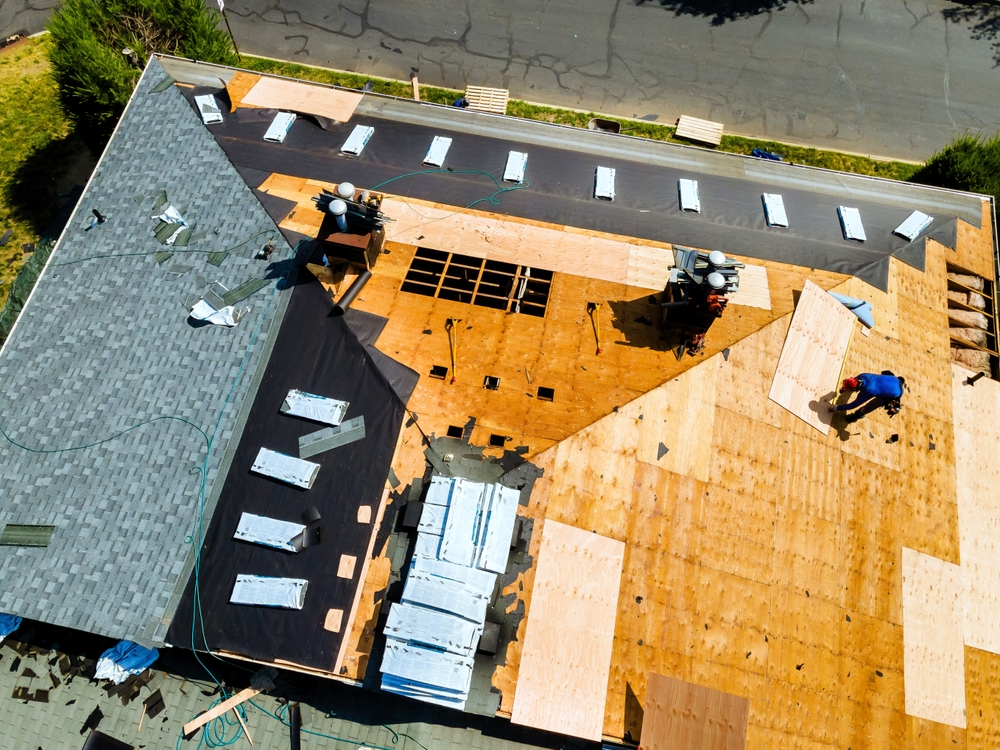
Most professional roofing companies aim to strip the old materials down to the bare wood deck within the first few hours of day one. Before a single shingle is pulled, the crew installs heavy-duty tarps or specialized catch-nets around the perimeter of your home to protect your landscaping, windows, and siding from falling debris. Once the property is secured, the tear-off process begins. If the home is particularly large or complex, the roofing contractors might split the project into sections, tackling one slope at a time to maintain a dry, protected environment throughout the day.
Day 2: Underlayment, Valleys, and Main Material Installation
Once the old roof is completely stripped and the underlying deck is inspected, the crew shifts focus to rebuilding the roof system’s core defenses. This begins with installing critical leak barriers, such as ice and water shields in the valleys and synthetic underlayment across the fields. The crew then begins laying down the primary roofing material, whether it be asphalt shingles, metal panels, or composite tiles.
Day 3: Detailing, Flashing, and Final Site Mitigation
On more complex or larger roofs, a third day is dedicated to finishing specialized architectural details. This includes wrapping chimneys with custom counter-flashing, sealing skylights, installing ridge ventilation systems, and conducting a meticulous forensic cleanup of the entire property.
Physical Factors Affecting the Project Duration
The exact architecture and physical dimensions of your home play a massive role in determining your total installation timeframe. When professional roofing companies provide a complete project estimate, they calculate labor hours based on several distinct physical variables.
House Size and Total Square Footage
A reliable roofing contractor calculates labor requirements based on the total square feet of your specific property and the volume of roofing materials needed. Naturally, a sprawling multi-story estate demands a longer timeframe than a simple, single-story ranch-style dwelling because of the sheer surface area involved. In the roofing industry, measurements are calculated by “squares”, a roofing term for a 10×10 foot area (100 square feet). A roof with many intersecting facets requires more precise cutting and fitting of materials, which inevitably adds to the total roof replacement time.
Roof Pitch (Steepness)
Your roof pitch dictates how fast and safely contractors can maneuver around the elevated property while carrying heavy bundles of material. Steep angles force workers to move deliberately while utilizing specialized safety harnesses, ropes, and roofing brackets throughout the entire day to prevent falls. This careful pacing prevents catastrophic accidents but adds hours or even days to the roof replacement timeline compared to a flat or low-slope roof. Furthermore, a steep pitch requires more complex staging and debris management, as materials cannot simply be set down on the roof deck without sliding off.
Architectural Complexity and Roof Penetrations
Beyond the raw square footage, the number of penetrations on the roof adds extreme complexity to the job.
- Valleys and Hips: Areas where two slopes meet form a valley, which acts as a major highway for rushing rainwater. These areas require extra layers of self-adhering waterproofing membranes and custom-cut shingle weaving.
- Skylights and Chimneys: Each of these features requires custom flashing arrays, step-flashing integration, and meticulous counter-sealing. A roof with multiple chimneys and skylights takes significantly longer to finish than a clean roof with only a few simple plumbing boots.
How Roofing Material Choices Impact Installation Speed
The specific roofing material you select heavily influences how long the contractors will remain on your property. Different materials demand wildly distinct installation techniques, fastening systems, and handling protocols.
Asphalt Shingles: The Efficiency Standard
Traditional asphalt shingles remain the most common and fastest option for residential roof replacements across the country because of their ease of use. An asphalt shingle roof goes up quickly because the modern materials are lightweight, highly flexible, and designed for rapid pneumatic nail-down application. Most experienced roofing crews can install several squares of asphalt shingles per hour, making it the ideal choice for homeowners who want to minimize the construction window.
Metal Roofing: High Precision and Custom Fitting
If you upgrade to a metal roof, expect the installation process to take significantly longer than a standard shingle job. Standing seam metal roofing requires specialized skills and incredibly precise measurements to align the rigid panels perfectly without leaving gaps for leaks. Consequently, your roof replacement time stretches to three to five days, or even a week, for these premium systems. While metal roofs offer superior longevity and protection against high winds, the labor-intensive nature of handling large, rigid sheets means you must plan for an extended construction presence.
Heavy and Specialized Materials: Slate, Clay, and Concrete
Heavy roofing materials demand a rigorous, time-consuming installation approach from the working crew to guarantee long-lasting performance. Installers working with heavy tile roofs or natural slate must carefully place each individual piece to prevent unexpected breakage and secure a watertight overlap. This delicate process means your project might last a full week or longer.
Because these materials are so heavy, the roofing contractor must also take extra care during the delivery phase to avoid damaging your driveway or overloading the home’s roof deck itself. Furthermore, these dense materials often require structural reinforcement before the actual roof replacement begins. Contractors must verify that your home can safely support the massive weight of slate or concrete, which can add a separate engineering inspection to your preliminary timeline.
Unpredictable Delays: Weather Conditions and Environmental Halts
Even the best-laid plans of professional roofing contractors can be temporarily derailed by unpredictable weather conditions that make working on an open roof impossible or dangerous.
Rain and Precipitation Warnings
Rain is the most common culprit for immediate project delays. Opening up a roof during a storm would lead to immediate and severe water damage inside your home’s attic and finished ceilings. Most professional roofing companies monitor radar forecasts closely and will postpone a project for roof replacement in Parkland, PA, if there is a significant chance of precipitation. If unexpected rain occurs mid-project, the crew must quickly install temporary synthetic tarps and secure the exposed roof deck before pausing operations.
High Winds and Slipping Hazards
High winds make it incredibly dangerous for workers to handle large sheets of underlayment or carry bundles of shingles up ladders. Furthermore, strong gusts can catch shingles before they are permanently fastened, ripping them out of place or tearing the material. Humidity and heavy morning dew also impact the daily start time, as a wet roof deck poses a significant slipping hazard for the crew. Workers must wait for the morning sun to dry the surface completely before they can safely begin walking the slopes.
Extreme Temperature Factors
Extreme heat can slow down the roof replacement process, particularly when installing asphalt shingles. In mid-summer, the temperature on a dark roof deck can exceed 150 degrees Fahrenheit. These extreme temperatures can cause fresh asphalt shingles to soften, making them highly susceptible to cosmetic scuffing and tearing from workers’ heavy work boots. To protect the integrity of the material, roofing contractors may start work at dawn and finish by early afternoon, extending the total number of days required for completion. Conversely, freezing weather makes shingles brittle, requiring special cold-weather storage and manual hand-sealing techniques that also add to the replacement time.
Exposing the Unknown: Inspecting the Roof Deck for Structural Damage
One of the most critical phases of the process for roof replacement in Hulmeville occurs immediately after the old roofing materials are removed to expose the bare roof deck. This is the first time the roofing contractor can see the true condition of the wood sheathing (usually plywood or OSB) that supports your entire roof system.
If the roof inspection reveals hidden rot, mold, or structural sagging from years of slow leaks around old valleys or chimneys, these boards must be completely cut out and replaced before the new roofing material can be installed. Finding unexpected water damage on the roof deck is the primary reason why a project can shift past its initial schedule. It is vital that these repairs are not skipped, as a new roof is only as good as the structural foundation it is nailed to.
In some cases, roofing companies discover that the original roof deck consists of old spaced board sheathing that does not meet modern building codes, requiring a full redecking of the house. This involves laying down hundreds of sheets of new plywood across the entire home, which significantly increases both the material cost and the labor hours. Addressing structural damage during the roof replacement is the only way to keep your home safe and dry for the next thirty years.
The Logistics of On-Site Execution and Final Project Closure
The final stage of any roof replacement involves a post-installation quality inspection and rigorous site remediation. After the last shingle is nailed down or the final metal panel is secured, the project manager walks the entire roof to verify that everything is sealed correctly.
Final Quality Checks Include:
- Inspecting the flashing and counter-flashing arrays around all chimneys, valleys, and wall steps.
- Verifying that ridge vents and ventilation paths are unblocked and fully functional.
- Conducting a property-wide cleanup using heavy-duty magnetic sweeps to collect thousands of stray nails from lawns, flowerbeds, and driveways.
Finally, homeowners should account for additional time if the local municipality requires a structural building permit inspection. In many jurisdictions, a building inspector must visit the property to sign off on the work before the permit can be officially closed out, which typically happens a few days after the construction crew has departed. Keeping all your documentation in order, including the specific manufacturer warranty information for your new roofing materials, makes sure that your long-term investment remains fully protected.
Ready for a Flawless Roof Replacement?
Replacing your roof is a major investment in your home’s future, and timing it correctly requires an experienced, professional team. At Kontz Construction, we pride ourselves on transparent scheduling, expert structural craftsmanship, and efficient, top-tier roof installations. Whether you need an asphalt shingle upgrade or a highly durable metal roof system, our certified team handles every detail, from the initial inspection to the final cleanup.Contact Kontz Construction today to schedule your expert roof assessment and secure a free, accurate project estimate!