
Vinyl Siding Repair Assessment: Evaluating the Damage
May 28, 2026
You step outside after a severe storm, or perhaps a routine afternoon of yard work, only to spot a glaring hole in your vinyl siding. A rogue baseball, a heavy hailstone, or a careless weed trimmer can easily puncture this popular exterior material. If you are wondering whether you can simply ignore these blemishes or handle them with quick retail fixes, the response requires a deeper look at how residential exterior systems operate.
Fixing these punctures promptly protects your home from moisture intrusion, structural wood rot, and costly pest infestations. Leaving even a small puncture exposed leaves your wall cavity completely vulnerable to the harsh outdoor elements. This guide explains exactly how professionals assess siding damage, why precise repair methods matter, and how to determine when a simple patch is sufficient versus when a full panel replacement is required to maintain your home’s structural integrity.
Repair vs. Replace: Assessing the Severity of Siding Damage
When evaluating exterior damage, a professional contractor looks beyond the surface cosmetic flaw to determine the true severity of the structural threat. Homeowners often wonder if a small crack warrants a full panel replacement or if a minor cosmetic patch will suffice. The answer depends heavily on the diameter of the hole, its location, and the condition of the underlying house wrap.
Professionals categorize vinyl siding damage into three distinct tiers to determine the most reliable, weather-tight solution.
Minor Punctures (Under 1 Inch)
Small punctures from golf balls, pebbles kicked up by lawnmowers, or old screw holes from mounted decorations are prime candidates for targeted structural sealing. Because the structural integrity of the entire panel isn’t compromised, a professional can inject specialized, color-matched commercial sealants to restore the weather barrier without dismantling the surrounding wall.
Medium-Sized Fractures (1 to 3 Inches)
Medium-sized holes require a more involved approach. If a rock from a lawnmower shatters a section larger than an inch but under three inches, a simple bead of caulk will fail to provide adequate protection over time. In these scenarios, professionals often employ a “donor patch” method. By cutting a perfectly sized piece of matching vinyl and fusing it over the wound with high-strength, weather-resistant structural adhesives, they create a secondary skin that prevents water from seeping behind the exterior cladding.
Large Panel Damage (Over 3 Inches)
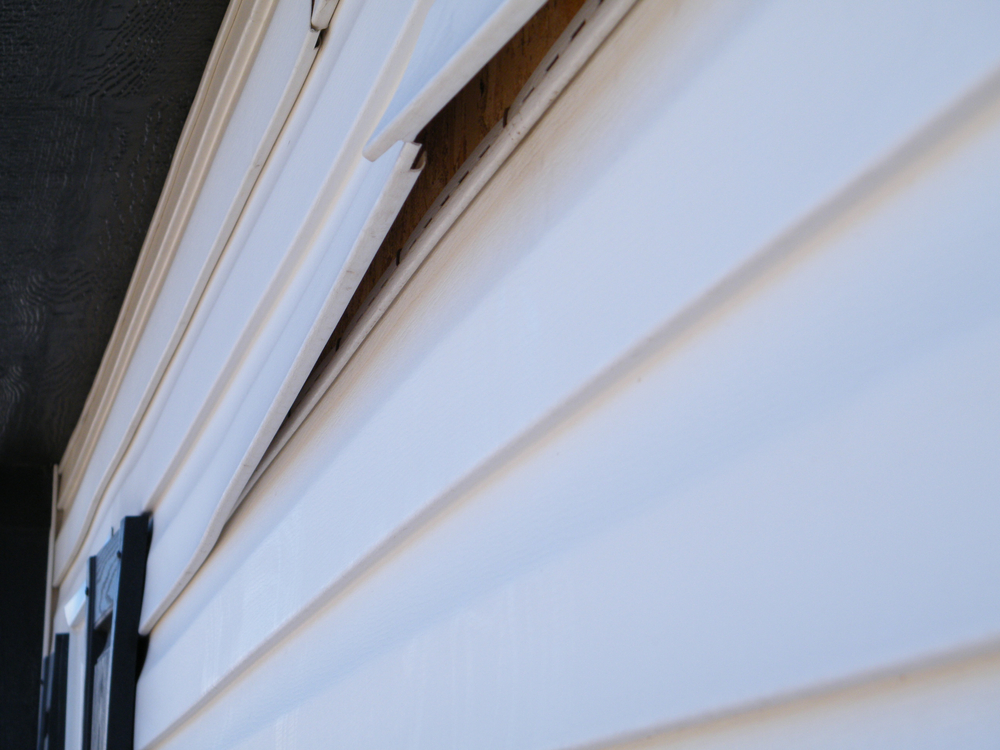
In extreme cases, replacing the entire vinyl panel offers the only reliable solution. If the vinyl has spiderwebbed with massive cracks, or if an entire section has broken away, patching is structurally non-viable. Large openings expose the building’s drainage plane to high winds, which can rip adjacent panels off the house. Proper professional maintenance and timely panel replacements extend the lifespan of your exterior cladding significantly, saving you from catastrophic water damage restoration bills down the road.
The Professional Siding Repair Kit: Commercial-Grade Solutions
While basic hardware stores carry retail-grade caulking and plastic patches, professional siding contractors rely on a specialized suite of tools and commercial-grade materials to secure a permanent, invisible repair.
Advanced Material Requirements:
- Commercial-Grade Polyurethane Sealants: Unlike standard retail silicone, professional-grade exterior sealants offer superior elongation and UV resistance, allowing them to expand and contract with shifting seasonal temperatures without cracking.
- Siding Zip Tools: A specialized, non-marring hook tool designed to unlock interlocking vinyl channels without tearing or warping the cold, brittle plastic.
- Galvanized Roofing Fasteners: Weatherproof nails designed to resist rust and corrosion when exposed to continuous moisture behind the panels.
- High-Strength Structural Fusing Adhesives: Chemical compounds that create a molecular bond with the PVC vinyl, effectively welding patches into place rather than just gluing them.
Professional contractors always clean the substrate with industrial degreasers or denatured alcohol before applying any sealants. Adhesives fail rapidly if they bind to surface dirt, pollen, or environmental oils instead of the bare, raw vinyl plastic.
The Color Matching Challenge
One of the most difficult aspects of vinyl siding repair in Bucks County is accurately matching the specific color of faded or sun-bleached exterior cladding. Vinyl fades progressively over years of sun exposure. If you purchase a brand-new panel or use standard off-the-shelf caulk, the repaired section will stand out like a sore thumb.
Professional contractors overcome this by using advanced digital color-matching technology. By taking a microscopic sample from a hidden lip of your existing siding, they can match the exact shade of your home’s current weathering profile using premium exterior acrylic coatings, making sure the final repair is completely hidden from the naked eye.
Why Professional Execution Matters: The Pitfalls of Inexperience
Vinyl siding in Bristol looks simple from a distance, but it is engineered as a highly dynamic, interlocking water-shedding system. When repairs are executed without professional training, homeowners often inadvertently cause secondary, more severe damage to their properties.
The Expansion and Contraction Traps
Vinyl is a polymer that moves drastically with temperature fluctuations. A 12-foot siding panel can expand or contract by as much as a half-inch between the freezing depths of winter and the heat of summer.
When professionals install or replace a section of siding, they never drive nails tight against the vinyl flange. They intentionally leave a small gap, roughly the width of a dime, between the nail head and the siding. This allows the panel to slide freely horizontally. If a DIY repair involves nailing a panel tightly to the wall or gluing overlapping joints together rigidly, the siding will buckle, warp, and crack as soon as the temperature shifts.
Securing a Watertight Interlock
Vinyl panels rely on a specific top-and-bottom interlocking mechanism to shed water. When a professional replaces a damaged section, they use a zip tool to gently unzip the panel above the damage, pull out the old fasteners, drop the new panel into place, and zip the upper panel back down. If this lock is not perfectly engaged along the entire length of the wall, high winds can catch the loose edge, peeling entire sections of siding off the home during the next heavy storm.
When to Skip the Patch and Call a Professional Contractor
Certain exterior scenarios require the expertise, safety equipment, and structural knowledge of a certified professional. If you notice any of the following signs, attempting a quick patch can trap moisture and accelerate the destruction of your home’s framing:
- Pervasive Storm Damage: If a severe hail storm or high-wind event has riddled multiple walls of your home with holes, handling the sheer volume of repairs requires a commercial crew to make sure the home is dried in before the next rain event.
- Hidden Structural Water Damage: If a professional unzips a damaged panel and discovers that the wood sheeting, insulation, or house wrap behind the vinyl is soft, black, moldy, or crumbling, you are dealing with advanced structural rot. Simply slapping a cosmetic patch over rotten wood traps moisture and allows mold to proliferate into your interior wall cavities.
- High-Elevation and Multi-Story Repair: Repairing siding on the second or third story of a home requires specialized scaffolding, extended ladders, and strict safety protocols. Attempting to balance tools, heavy panels, and industrial adhesives high off the ground poses severe safety risks that are best left to licensed and insured professionals.
- Brittle, Aging Vinyl: As vinyl siding approaches the end of its lifespan, UV damage makes the plastic incredibly brittle. A minor attempt to patch one hole can cause the surrounding plastic to shatter, turning a minor cosmetic issue into a massive, multi-panel replacement project.
Need Expert Help with Your Home’s Exterior?
If your siding damage is too extensive for a quick fix, or if you want to keep your home completely protected against hidden water damage, trust the experts. Kontz Construction specializes in professional siding assessments, structural repairs, and full exterior replacements. Our experienced team uses commercial-grade materials and precise color-matching techniques to restore your home’s safety, efficiency, and curb appeal.
Contact Kontz Construction today to schedule your professional exterior inspection and get a free quote!