
How to Protect Your Roof and Gutters from Ice Dams
January 29, 2026
With its coating of snow and icicles dangling from rooftops, winter can be a lovely season. However, those lovely icicles frequently indicate a major issue: ice dams. If you don’t know how to prevent and deal with these frozen ridges, your home could sustain damage worth thousands of dollars. Let’s discuss ice dams, their causes, and above all, how to keep your house safe this winter.
What Are Ice Dams?
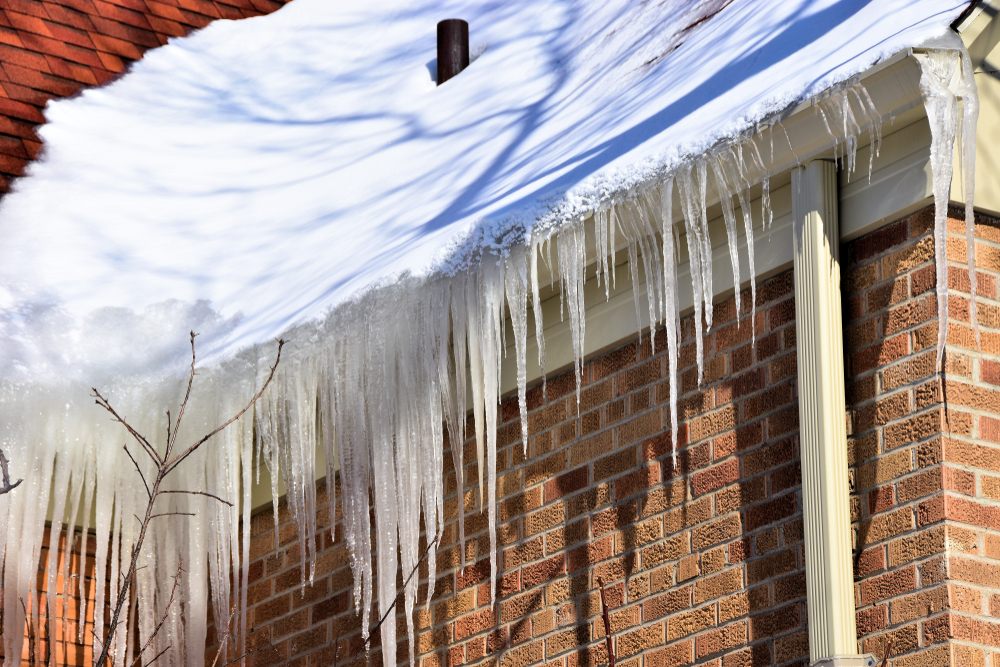
A ridge of ice that develops at the edge of your roof is called an ice dam. It stops melting snow from properly draining off your roof. Rather, the water can seep inside your house after backing up behind the barrier.
You’ll know you have an ice dam if you see:
- Large icicles hanging from your gutters
- Ice buildup along the edge of your roof
- Water stains on your ceiling or walls
- Sagging gutters
- Peeling paint near your roofline
Ice dams don’t just happen. They develop as a result of a certain set of circumstances that many homes produce without the owners’ knowledge.
Why Do Ice Dams Form?
Here’s the simple science behind ice dams. This is the basic science of ice dams. Your attic warms the roof above it when it gets too hot. When snow melts on the warm portion of your roof, water flows downward toward the chilly eaves. That water refreezes when it hits the chilly edge of your roof.
This eventually becomes an ice dam. Water ultimately finds its way beneath your shingles and into your house as more water backs up behind it.
The main culprits are:
- Poor attic insulation that lets heat escape
- Inadequate attic ventilation
- Heat sources in your attic like recessed lights or poorly insulated ductwork
- Uneven roof temperatures
The outside temperature plays a role too. Ice dams typically form when outdoor temperatures hover around 20 to 30 degrees Fahrenheit during the day and drop below freezing at night.
The Damage Ice Dams Can Cause
Ice dams are more than just a winter annoyance. They can seriously damage your home in several ways.
Water damage is the most common problem. When water backs up under your shingles, it can rot the wood decking underneath. It can damage your insulation, ruin your ceilings and walls, and even cause mold growth.
Your gutters can suffer too. The weight of ice can pull gutters away from your house or damage them beyond repair. I’ve seen gutters completely torn off homes because of heavy ice buildup.
Shingles can crack and break under the freeze-thaw cycle. Once your shingles are compromised, your roof is vulnerable to leaks even after the ice dam is gone.
How to Prevent Ice Dams Before They Start
Prevention is always easier and cheaper than repair. Here are the most effective ways to stop ice dams before they form.
Improve Your Attic Insulation
The goal is to keep your attic cold. You want at least 12 to 14 inches of insulation in your attic floor. This keeps the heat in your living space where it belongs instead of letting it escape and warm your roof. Check your current insulation. If you can see the tops of your floor joists, you need more.
Increase Attic Ventilation
Good ventilation keeps cold air moving through your attic. This prevents warm spots on your roof.
Your attic needs both intake vents (usually in the soffits) and exhaust vents (near the ridge). A good rule of thumb is one square foot of ventilation for every 150 square feet of attic space.
Make sure your soffit vents aren’t blocked by insulation. Air needs to flow freely from the eaves up to the ridge.
Seal Air Leaks
Warm air finds ways to sneak into your attic through tiny cracks and gaps. Common problem areas include:
- Around chimneys
- Where pipes pass through
- Attic hatches and pull-down stairs
- Recessed lighting fixtures
- Ductwork joints
Use caulk or spray foam to seal these gaps. This simple step can make a big difference.
Keep Your Gutters Clean
Clogged gutters make ice dam problems worse. When gutters are full of leaves and debris, water can’t drain properly even when it’s liquid. Clean your gutters in late fall before the first freeze.
Install Heat Cable
Heat cable (also called heat tape) is a temporary solution that can help in problem areas. You zigzag it along the edge of your roof and through your gutters. When plugged in, it creates channels for water to drain.
The heat cable works, but it’s not a permanent fix. It uses electricity and only treats the symptom, not the cause. Still, it can be useful while you address the underlying issues.
What to Do If You Already Have an Ice Dam
If you spot an ice dam on your roof, don’t panic. Here’s what you should and shouldn’t do.
Safe Removal Methods
The safest approach is to call a professional. They have the right tools and experience to remove ice dams without damaging your roof.
If you decide to handle it yourself, use a roof rake to pull snow off your roof from the ground. Remove snow several feet past where the ice dam is. This reduces the supply of water feeding the dam. Never chip away at ice with a hammer, ice pick, or shovel. You’ll almost certainly damage your shingles.
The Calcium Chloride Method
You can use calcium chloride (not rock salt, which damages shingles) to melt channels through the ice dam. Fill a leg of old pantyhose with calcium chloride and lay it across the dam. It will slowly melt a channel for water to drain. This method is slow but safer for your roof than other DIY approaches.
Create Emergency Drainage
If water is actively leaking into your home, you need to act fast. From inside your attic, carefully poke holes in the ceiling where water is pooling. Put buckets underneath. This sounds counterintuitive, but controlled drainage is better than letting water spread and cause more damage.
What Not to Do
Some “solutions” cause more harm than good. Avoid these common mistakes:
- Don’t use rock salt on your roof. It corrodes metal and damages shingles.
- Don’t use a pressure washer. The force can damage shingles and force water under them.
- Don’t climb on an icy roof. The risk of falling isn’t worth it.
- Don’t use a blowtorch or other open flame. This is a serious fire hazard.
Long-Term Solutions
Once you’ve dealt with an immediate ice dam, think about long-term fixes. These investments pay off by preventing future problems. Consider adding a waterproof membrane under your shingles at the eaves. This is typically done during a roof replacement. The membrane acts as a backup barrier if water does get under the shingles.
If you’re replacing your roof, ask about ice and water shields. Most building codes now require it in cold climates. Upgrade your attic ventilation system. Ridge vents combined with soffit vents create excellent airflow. Some homes benefit from powered attic fans, though these should be a supplement to passive ventilation, not a replacement.
When to Call a Professional
Some situations require expert help. Call a professional if:
- The ice dam is large or causing active leaking
- You’re not comfortable working on a ladder
- Your roof is steep or high
- You see signs of structural damage
- Previous DIY attempts haven’t worked
A roofing contractor can assess the situation and recommend both immediate fixes and long-term solutions. An energy auditor can identify exactly where heat is escaping from your home.
Frequently Asked Questions: Protecting Your Home from Ice Dams
Q: How can I tell if my roof has an ice dam?
Common signs include large icicles hanging from your gutters and visible ice buildup along the roofline. You may also notice water stains on your interior ceilings or walls and peeling paint near the top of your house.
Q: What is the best way to prevent ice dams from starting?
The most effective prevention is keeping your attic cold by increasing insulation to at least 12 inches to create proper ventilation. You should also seal air leaks around chimneys and light fixtures to stop warm air from escaping into the attic.
Q: Is it safe to remove an ice dam myself?
Removing ice dams can be dangerous, so it is generally best to hire a professional with the proper equipment. If you do it yourself, use a roof rake from the ground to remove snow, but never use hammers or shovels, which can destroy your shingles.
Q: Will cleaning my gutters help prevent ice buildup?
Yes, keeping gutters clear of leaves and debris means water can flow freely off the roof. Clogged gutters trap moisture and contribute to the formation of heavy ice ridges during the winter.
Prevent Ice Dams Before Winter Damage Starts
Ice dams form when heat escapes from your home and melts snow on your roof. The water refreezes at the cold edges, creating a dam. Water backs up and leaks into your house.
Prevention comes down to three things: good insulation, proper ventilation, and sealing air leaks. These steps keep your attic cold and prevent the uneven roof temperatures that cause ice dams.
If you do get an ice dam, remove it carefully or hire a professional. Don’t use methods that could damage your roof or put you in danger.
Winter is tough on homes, but with the right preparation, you can keep your roof and gutters safe all season long. A little prevention now saves you from expensive repairs later and gives you peace of mind during the coldest months of the year. Contact Kontz Construction today to protect your home from ice dams and prevent costly winter roof damage.