
Why Your Attic’s Insulation Might Be the Real Reason Your Roof Is Failing
January 29, 2026
You check your roof regularly. The shingles look fine. There’s no obvious damage. But somehow, you’re still dealing with water stains on your ceiling, mold in the corners, or sky-high energy bills. What’s going on?
The problem might not be your roof at all. It could be hiding in your attic, in a place most homeowners never think to look: the insulation.
Let’s explore how bad insulation can make it look like your roof is failing, even when the roof itself is perfectly fine.
The Connection Between Insulation and Roof Problems
Most people think of insulation as something that keeps them warm in winter and cool in summer. That’s true, but insulation does something else that’s just as important: it controls moisture.
When your attic insulation isn’t doing its job, several things happen. Warm, moist air from your living space rises into the attic. This moisture can condense on cold surfaces like the underside of your roof decking. Over time, this condensation causes the same kind of damage you’d see from a leaking roof.
The tricky part is that the symptoms look identical to roof leaks:
- Water stains on ceilings
- Mold or mildew growth
- Musty odors
- Rotting wood in the attic
- Peeling paint on exterior walls
Homeowners naturally assume their roof is leaking. They call a roofer, who might replace shingles or seal what looks like a problem area. However, it takes an experienced professional to tell the difference between attic condensation and an actual structural breach. If you are dealing with these symptoms, reaching out to a roofing company in Pineville, PA can help you accurately diagnose whether the issue stems from your shingles or your insulation.
How Bad Insulation Damages Your Roof From the Inside
Here’s what happens step by step when your attic insulation fails.
Moisture Migration
Your home produces a lot of moisture every day. Cooking, showering, breathing, and even houseplants release water vapor into the air. This moisture-laden air rises naturally because warm air is lighter than cold air.
If your attic floor isn’t properly insulated and sealed, this moist air escapes into the attic. In winter, the attic is cold. When warm, humid air meets cold surfaces, condensation forms. It’s the same reason you see water droplets on a cold glass of iced tea.
This condensation drips onto insulation, wood, and other materials. Day after day, month after month, things start to rot.
Thermal Bridging
Even with insulation, heat can escape through areas where the insulation is compressed, missing, or installed poorly. These spots create “thermal bridges” where heat flows more easily.
These warm spots on your roof deck cause problems in both winter and summer. In winter, they melt snow unevenly, contributing to ice dams. In summer, they create hot spots that can age your shingles prematurely from underneath.
Ventilation Problems
Insulation and ventilation work together. If you have too much insulation in the wrong places (like blocking your soffit vents), or if it’s installed improperly, it can prevent air from flowing through your attic.
Without proper airflow, moisture gets trapped. The attic becomes humid. Mold grows. Wood rots. Your roof structure weakens from the inside out.
Signs Your Insulation Is Causing “Invisible” Leaks
How do you know if insulation is the culprit? Look for these warning signs.
- Inconsistent Temperature Problems: Do some rooms feel much colder or hotter than others? Are there cold spots on your ceiling in winter? These temperature variations often point to insulation gaps or problems.
- High Energy Bills: If your heating or cooling costs are higher than they should be for your home’s size, poor insulation is likely letting treated air escape. Along with that air goes moisture.
- Ice Dams in Winter: Ice dams form when heat escapes through your roof, melts snow, and the water refreezes at the cold edges. If you get ice dams every winter, your attic is too warm. That heat is coming from below because insulation and air sealing aren’t doing their job.
- Frost in Your Attic: Frost in the attic is a clear sign that moist air is getting in and condensing. When this frost melts (usually on warmer days or when the sun hits the roof), it drips down and causes water damage.
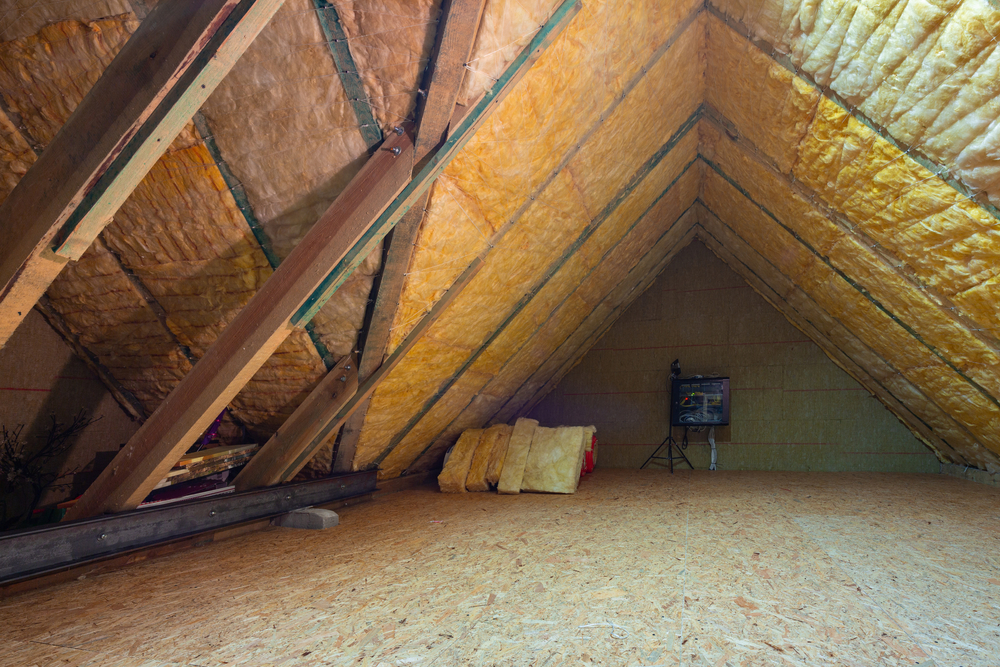
- Compressed or Damaged Insulation: Check your attic insulation. Is it compressed, wet, or discolored? Does it have gaps? Is it pushed aside or falling down? Damaged insulation doesn’t work. Even if it was installed correctly years ago, insulation can settle, get compressed by stored items, or be disturbed by rodents or maintenance work.
- Mold Growth: Finding mold in your attic doesn’t necessarily mean your roof is leaking. Mold grows wherever there’s moisture and organic material. If your insulation is letting moisture into the attic, mold will happily grow on wood surfaces, cardboard, and even the insulation itself.
Types of Insulation Problems
Not all insulation problems are the same. Here are the most common issues.
Insufficient R-Value
R-value measures how well insulation resists heat flow. Higher numbers mean better insulation. Different climates need different R-values.
Older homes often have insulation that met code when they were built but falls short of modern standards. If your home was built before the 1980s, there’s a good chance your attic is under-insulated.
Most cold climates need R-49 to R-60 in the attic. That’s roughly 16 to 20 inches of fiberglass insulation.
Gaps and Voids
Insulation only works when it forms a continuous barrier. Gaps around chimneys, pipes, wiring, and hatches create pathways for air and moisture.
Even a small gap can allow a surprising amount of air movement. Think of it like a down jacket with a hole in it. The whole jacket becomes less effective.
Compressed Insulation
When fiberglass insulation gets compressed, it loses much of its R-value. The air pockets that provide insulation get squeezed out.
This often happens when people store items in the attic or when insulation is stuffed too tightly into spaces. Wet insulation also compresses and loses effectiveness.
Wrong Type of Insulation
Some insulation types work better in certain situations. For example, fiberglass batts are common and affordable, but they don’t seal air leaks the way spray foam does.
Using the wrong type of insulation for your climate or home design can create moisture problems. In humid climates, vapor barriers need to be installed correctly or you can trap moisture where you don’t want it.
How to Check Your Attic Insulation
You don’t need to be an expert to do a basic insulation check. Here’s what to look for.
Visual Inspection
On a mild day, grab a flashlight and head into your attic. Look at:
- The depth of insulation (measure it with a ruler)
- Whether it’s evenly distributed or has gaps
- Signs of moisture like stains, mold, or wet spots
- Whether soffit vents are blocked
- Frost or condensation on roof decking or nails
The Ruler Test
Stick a ruler down into the insulation at several spots. If you can see the tops of your ceiling joists, you need more insulation. There should be enough to cover the joists by several inches.
The Winter Frost Test
During a cold snap, check your attic in the morning. Look for frost on the roof deck or nails. This frost tells you exactly where moisture is accumulating.
Mark these spots if possible. They’ll guide your repair efforts.
Professional Energy Audit
For a thorough assessment, hire a professional to do an energy audit. They use tools like infrared cameras to spot temperature differences that reveal insulation problems.
A blower door test can measure how much air is leaking from your home. These tests take the guesswork out of finding problems.
Fixing the Real Problem
Once you’ve identified insulation issues, what should you do?
Add More Insulation
If your attic is under-insulated, adding more is often straightforward. You can blow in loose-fill cellulose or fiberglass over existing insulation. If you have fiberglass batts, you can add another layer perpendicular to the first. Make sure not to block ventilation paths when adding insulation.
Seal Air Leaks First
Before adding insulation, seal air leaks. This is critical. Insulation without air sealing is like putting on a sweater full of holes.
Use caulk or spray foam to seal:
- Around pipes and wires
- At the attic hatch or door
- Around chimneys (use high-temperature caulk)
- Where walls meet the attic floor
- Around recessed lighting (use IC-rated fixtures)
Improve Ventilation
Your attic needs balanced ventilation. Air should enter through soffit vents at the eaves and exit through ridge vents or gable vents at the top.
Add baffles between rafters to keep insulation from blocking soffit vents. This creates a clear path for air to flow from bottom to top.
Consider Professional Installation
While adding insulation seems simple, doing it right involves knowing building science. Vapor barriers, ventilation, and air sealing need to work together.
A professional installer understands these relationships. They can recommend the best approach for your specific home and climate. If you’ve already experienced moisture damage, it’s critical to make sure your decking isn’t compromised. Homeowners dealing with structural complications from poor ventilation can look into options for roof repair in Newtown Grant to restore their home’s integrity.
Sometimes the problem isn’t just insulation but excess moisture in your home. Make sure bathroom and kitchen vents exhaust to the outside, not into the attic. Use exhaust fans when cooking or showering. Consider a dehumidifier if your home is consistently humid.
Why This Matters More Than You Think
Poor attic insulation doesn’t just cause water damage. It affects your home in multiple ways.
Your energy bills stay high because you’re constantly replacing heated or cooled air that escapes. Your HVAC system works harder and wears out faster. Your home is less comfortable with drafts and temperature swings.
Meanwhile, moisture damage weakens your roof structure. Wood rot can affect rafters and decking. Mold can spread into living spaces, affecting indoor air quality and health.
By the time people notice these problems, significant damage may already be done. The repair costs far exceed what proper insulation would have cost in the first place.
The Real Issue May Be in Your Attic, Not Your Roof
Your roof might not be failing at all. The real problem could be lurking in your attic insulation. Poor insulation allows warm, moist air into your attic where it condenses and causes damage that looks exactly like roof leaks. The symptoms are the same: water stains, mold, rot, and deterioration.
Check your attic for signs of inadequate or damaged insulation. Look for frost, mold, gaps, and insufficient depth. Consider getting a professional energy audit to identify specific problems.
Fix the issue by sealing air leaks, adding insulation, and improving ventilation. Address the root cause instead of repeatedly patching symptoms.
Your roof will last longer, your home will be more comfortable, and you’ll save money on energy bills. Sometimes the invisible problem is the one that matters most. Schedule a professional evaluation now to uncover hidden insulation issues and protect your roof, comfort, and energy savings.